

CraftMay 20265 min read
Designing for the peak: how to build an event around its best 90 seconds
Audiences don't remember a whole program. They remember a moment. Here's how we work backward from it.
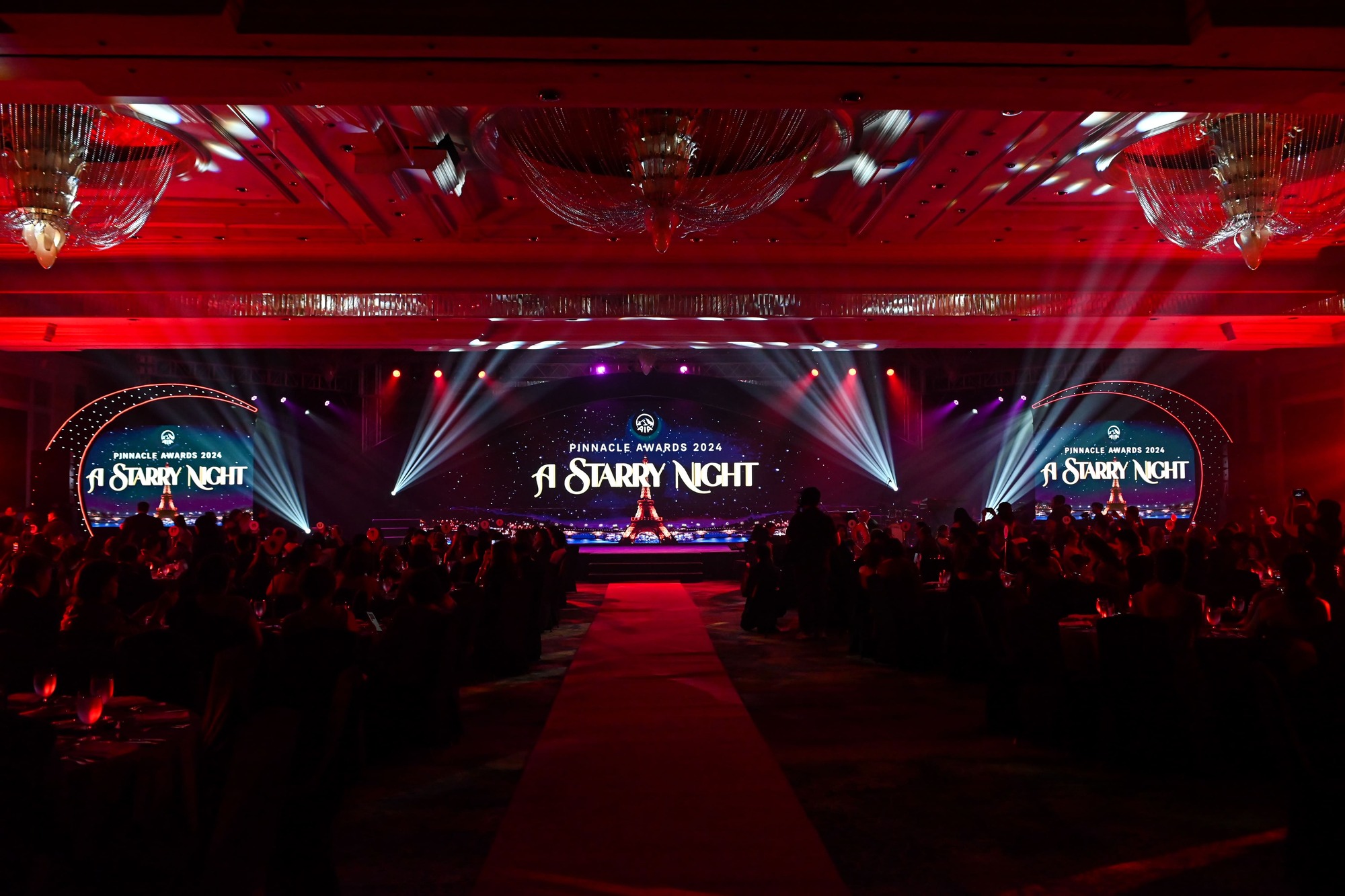
Ask someone about an event a week later and they won't recount the agenda. They'll describe one thing — the reveal, the moment the room stood up, the line that landed. That moment is the event. Everything else is in service of it.
So we design backward from the peak. Before we plan a single transition, we decide what the unforgettable 90 seconds will be, and then we engineer the entire night to earn it and protect it.
Find the peak first
The peak isn't always the biggest spend. It's the moment with the most meaning for this specific audience — recognition for a sales team, a product in hand for the press, a founder's story for partners. Name it early, and every other decision gets easier.
If you don't decide the peak, the schedule decides it for you — and the schedule has no taste.
Earn it with rhythm
A peak with no build is just a loud moment. We score the run-of-show like a track: tension, release, tension, release, then the drop. The audience should feel the room tilting toward something before it arrives.
- Open with energy, not housekeeping.
- Stack small wins so belief compounds.
- Clear the stage of friction right before the peak.
Protect it with discipline
The cruelest way to lose a peak is a technical fumble thirty seconds before it. That's why the invisible work — cue timing, changeovers, contingency — matters most exactly where the stakes are highest. Production discipline is how creative force survives contact with a live room.
Build for the peak, engineer for the gaps, and the moment takes care of itself. That's the whole job.